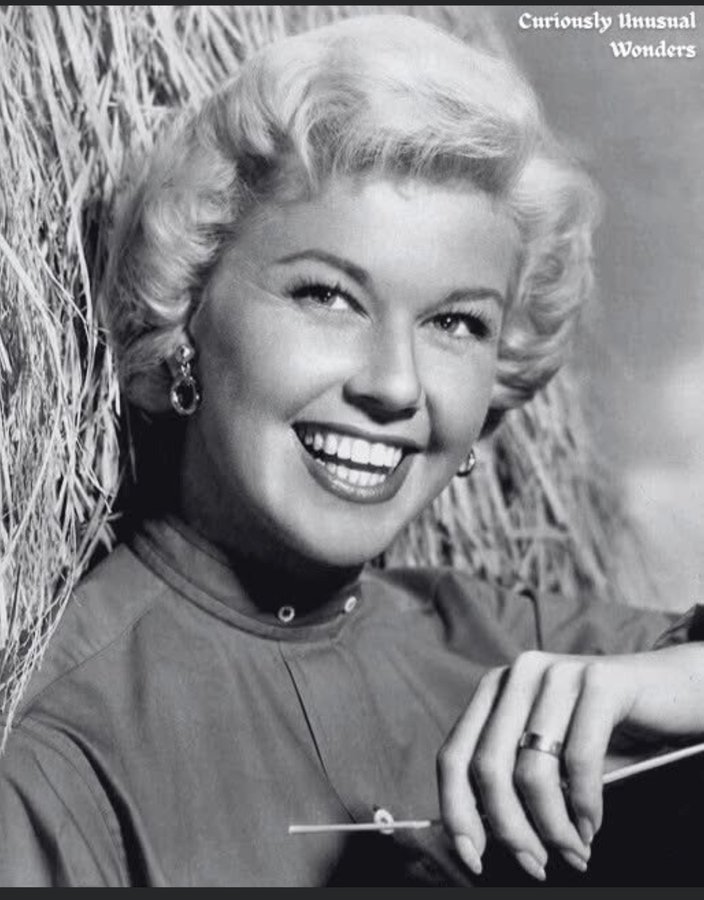

The truth about Doris Day
She walked into the hospital as a wife.
She walked out as a widow.
And within days, she learned she had also become something else—
Broke.
On April 20, 1968, Doris Day lost her husband, Martin Melcher, to heart failure.
For seventeen years, he had managed everything. Contracts. Investments. Negotiations. She sang. She acted. He handled the world.
She trusted him completely.
After all, she was one of the biggest stars in America. Dozens of hit films. Chart-topping records. Box-office queen of the romantic comedy.
Security was never supposed to be a question.
Then the paperwork surfaced.
There were no savings.
No hidden reserves.
No cushion.
Instead: debt.
Hundreds of thousands of dollars gone—lost in reckless oil ventures, collapsing properties, disastrous deals arranged by Melcher and his lawyer, Jerome Rosenthal.
And one more shock waiting.
Her signature—on a contract she had never seen.
A five-year commitment to star in a television sitcom.
She hadn’t agreed to it.
She hadn’t even wanted to do television.
But breaking the contract would mean lawsuits she couldn’t afford. The very people who had mismanaged her fortune could take what little remained.
She was grieving.
She was betrayed.
And she was trapped.
So she did the only thing left.
She went to work.
In the fall of 1968, cameras rolled on The Doris Day Show.
Week after week, America watched her play a cheerful widow rebuilding her life.
They didn’t know she wasn’t acting.
Every smile masked exhaustion. Every paycheck chipped away at debt. Every episode was survival.
But something remarkable happened.
She didn’t just endure.
She fought back.
In 1969, she sued Rosenthal. The trial stretched for months. Tens of thousands of transcript pages. Dozens of witnesses.
In 1974, a judge awarded her more than $20 million in damages, condemning the betrayal in blistering terms.
She wouldn’t receive most of it—appeals and bankruptcy reduced the payout.
But she had done something bigger than recover money.
She had reclaimed control.
When her show ended in 1973, she did something Hollywood never expects.
She left.
No dramatic comeback.
No reinvention tour.
She moved to the quiet coastline of Carmel-by-the-Sea and chose a life that had nothing to do with red carpets.
She co-owned the Cypress Inn, where dogs were welcomed like royalty.
She founded the Doris Day Animal Foundation, pouring her energy into rescue work, spay and neuter programs, and animal welfare laws.
The woman once chased by paparazzi now spent mornings feeding rescued animals.
The star who lost millions decided her legacy wouldn’t be measured in box office numbers—but in lives saved.
When asked why she disappeared from Hollywood, she once said:
“I like being the girl next door. I just wish I’d known what the neighborhood was really like.”
She lived 51 more years after the day everything collapsed.
Not bitter.
Not loud.
Not seeking revenge.
Just steady.
Kind.
Purposeful.
She lost her fortune.
She lost her marriage.
But she never lost herself.
And in the end, that was worth more than anything they took.
She walked out as a widow.
And within days, she learned she had also become something else—
Broke.
On April 20, 1968, Doris Day lost her husband, Martin Melcher, to heart failure.
For seventeen years, he had managed everything. Contracts. Investments. Negotiations. She sang. She acted. He handled the world.
She trusted him completely.
After all, she was one of the biggest stars in America. Dozens of hit films. Chart-topping records. Box-office queen of the romantic comedy.
Security was never supposed to be a question.
Then the paperwork surfaced.
There were no savings.
No hidden reserves.
No cushion.
Instead: debt.
Hundreds of thousands of dollars gone—lost in reckless oil ventures, collapsing properties, disastrous deals arranged by Melcher and his lawyer, Jerome Rosenthal.
And one more shock waiting.
Her signature—on a contract she had never seen.
A five-year commitment to star in a television sitcom.
She hadn’t agreed to it.
She hadn’t even wanted to do television.
But breaking the contract would mean lawsuits she couldn’t afford. The very people who had mismanaged her fortune could take what little remained.
She was grieving.
She was betrayed.
And she was trapped.
So she did the only thing left.
She went to work.
In the fall of 1968, cameras rolled on The Doris Day Show.
Week after week, America watched her play a cheerful widow rebuilding her life.
They didn’t know she wasn’t acting.
Every smile masked exhaustion. Every paycheck chipped away at debt. Every episode was survival.
But something remarkable happened.
She didn’t just endure.
She fought back.
In 1969, she sued Rosenthal. The trial stretched for months. Tens of thousands of transcript pages. Dozens of witnesses.
In 1974, a judge awarded her more than $20 million in damages, condemning the betrayal in blistering terms.
She wouldn’t receive most of it—appeals and bankruptcy reduced the payout.
But she had done something bigger than recover money.
She had reclaimed control.
When her show ended in 1973, she did something Hollywood never expects.
She left.
No dramatic comeback.
No reinvention tour.
She moved to the quiet coastline of Carmel-by-the-Sea and chose a life that had nothing to do with red carpets.
She co-owned the Cypress Inn, where dogs were welcomed like royalty.
She founded the Doris Day Animal Foundation, pouring her energy into rescue work, spay and neuter programs, and animal welfare laws.
The woman once chased by paparazzi now spent mornings feeding rescued animals.
The star who lost millions decided her legacy wouldn’t be measured in box office numbers—but in lives saved.
When asked why she disappeared from Hollywood, she once said:
“I like being the girl next door. I just wish I’d known what the neighborhood was really like.”
She lived 51 more years after the day everything collapsed.
Not bitter.
Not loud.
Not seeking revenge.
Just steady.
Kind.
Purposeful.
She lost her fortune.
She lost her marriage.
But she never lost herself.
And in the end, that was worth more than anything they took.